
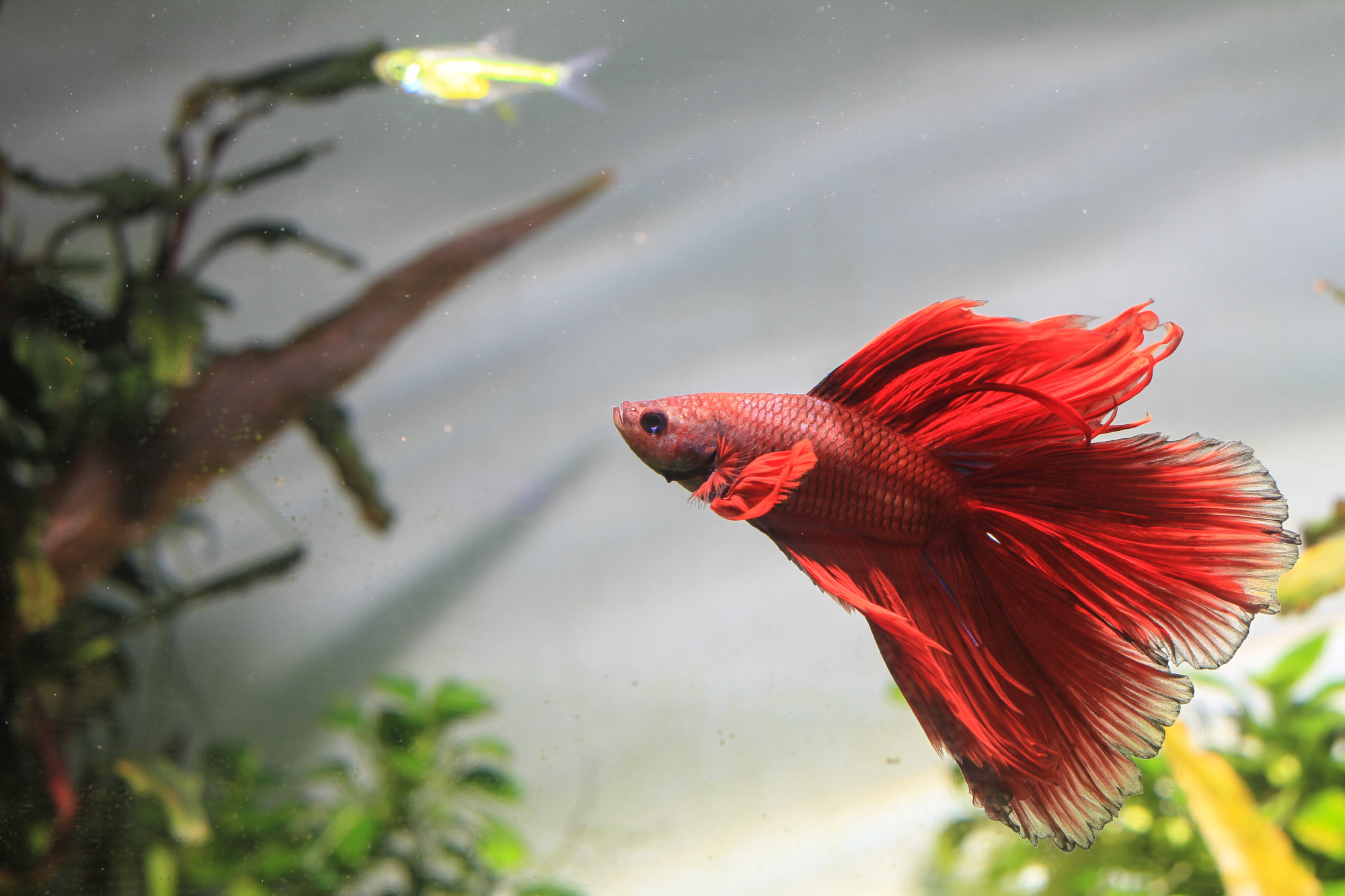
With their flowing fins, brilliant colors, and big personalities, betta fish are one of the most popular freshwater aquarium fish around.
But there’s a problem with their popularity: Bettas are often marketed as incredibly easy pets that can live happily in tiny bowls.
The reality? A betta may be small, but it still needs a proper environment to thrive.
Here’s what you should know before bringing one home.

Start With a Properly Sized Aquarium
A tiny decorative bowl might look cute, but it isn’t an ideal long-term home for a betta.
A 5-gallon aquarium or larger gives your betta considerably more room to swim and makes it easier to maintain stable water conditions.
A larger aquarium also gives you room to add plants, hiding places, and other enrichment.
Keep the Water Warm
Bettas are tropical fish, so they do best in warm, stable water.
A reliable aquarium heater is important, particularly in homes where room temperatures fluctuate. An aquarium thermometer makes it easy to keep an eye on conditions.
Water Quality Matters
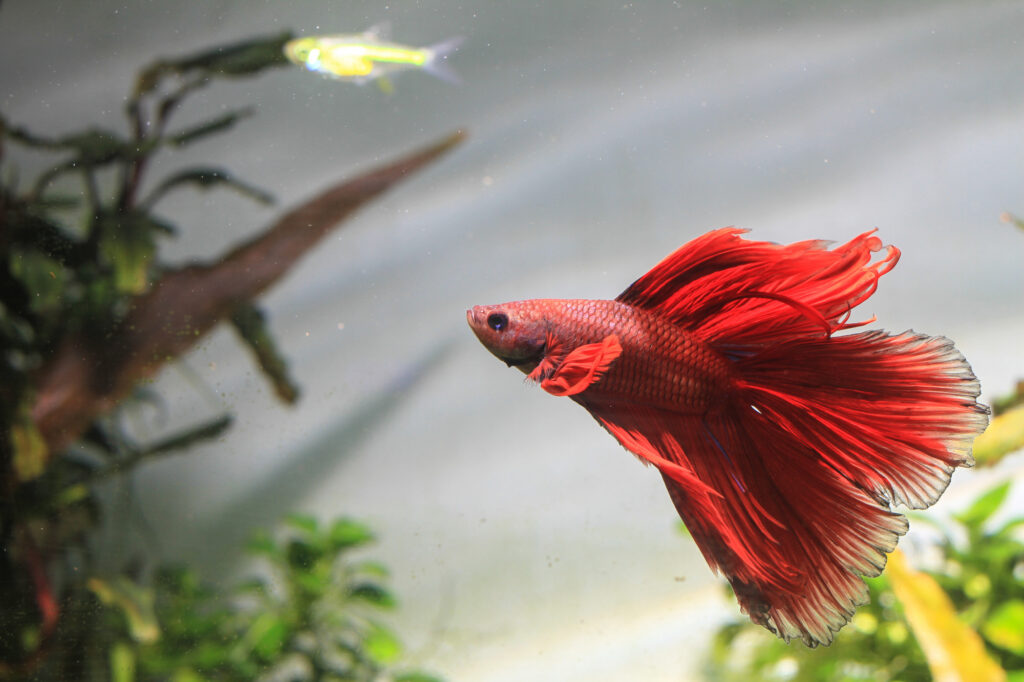
Clean, properly conditioned water is one of the most important parts of keeping a healthy betta.
Tap water should be treated with an appropriate water conditioner before it’s added to the aquarium. Regular partial water changes help keep waste and other pollutants under control.
And remember: clean water doesn’t necessarily mean replacing all the water at once. Consistent, partial water changes are generally a better approach for maintaining a stable aquarium.
Give Your Betta Places to Hide
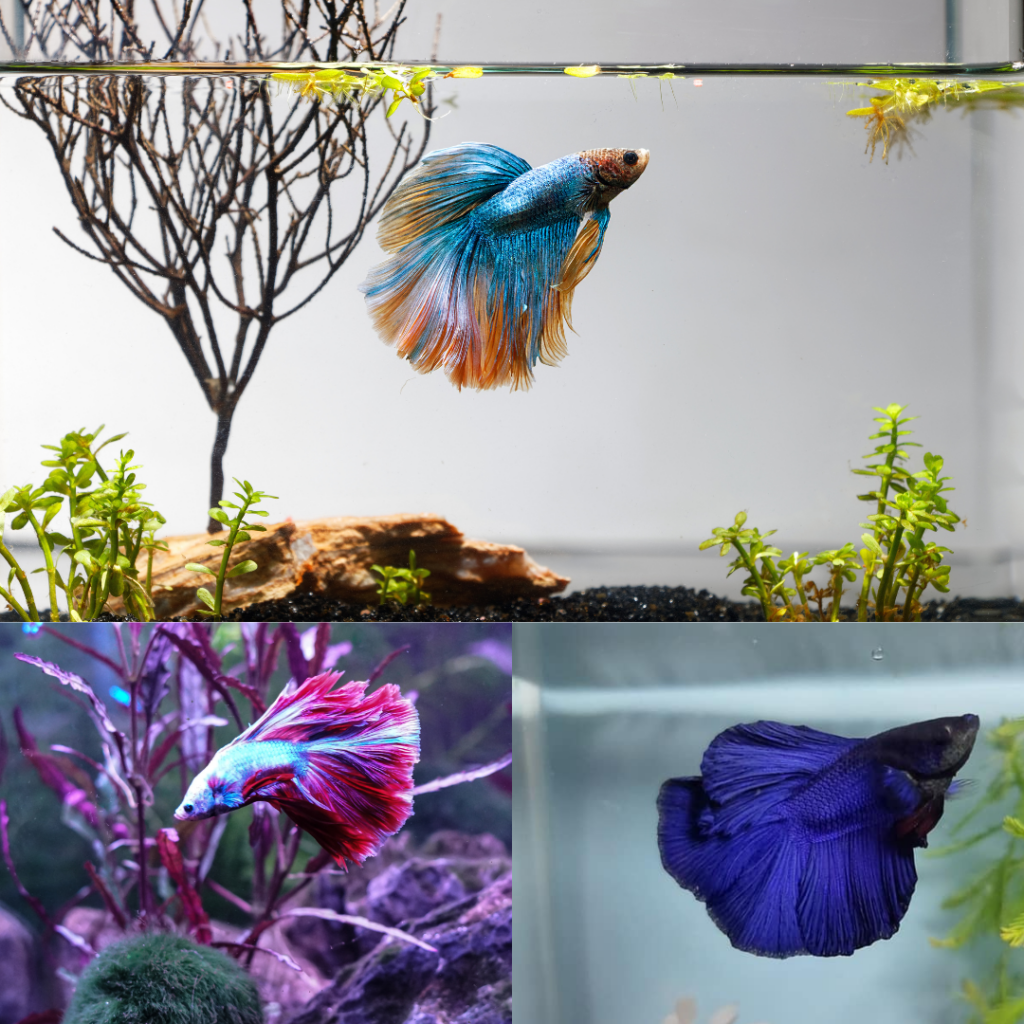
Bettas aren’t just pretty—they’re curious fish that benefit from an interesting environment.
Consider adding:
- Live or silk plants
- Caves or other hiding places
- Smooth decorations
- Floating plants
- Resting spots near the surface
Just make sure decorations don’t have sharp edges that could damage those beautiful fins.
Don’t Overfeed
One of the easiest mistakes new betta owners make is feeding too much.
Bettas have small stomachs, and uneaten food can quickly contribute to poor water quality.
Feed an appropriately sized portion of a quality betta food and remove uneaten food when necessary.
Do Bettas Need Tank Mates?
Here’s where things get interesting.
Bettas are often territorial, particularly males, and not every betta will tolerate tank mates.
A betta’s temperament, aquarium size, and choice of companions all matter. If you’re considering adding other fish or invertebrates, it’s a good idea to research compatibility first—and ask an aquarium professional before making the decision.
And yes, despite what you may see in movies or cartoons, two male bettas should not be housed together.
A Lid Is a Good Idea
Bettas can jump!
A properly fitted aquarium lid can help keep your fish safely inside its home.
Watch for Changes in Behavior
Getting to know your betta’s normal behavior makes it easier to spot when something isn’t right.
Pay attention to changes such as:
- Not eating
- Staying at the bottom of the tank
- Rapid breathing
- Clamped fins
- Unusual spots or discoloration
- Sudden changes in swimming behavior
When something seems off, check your water parameters first. Water quality is often an important piece of the puzzle.
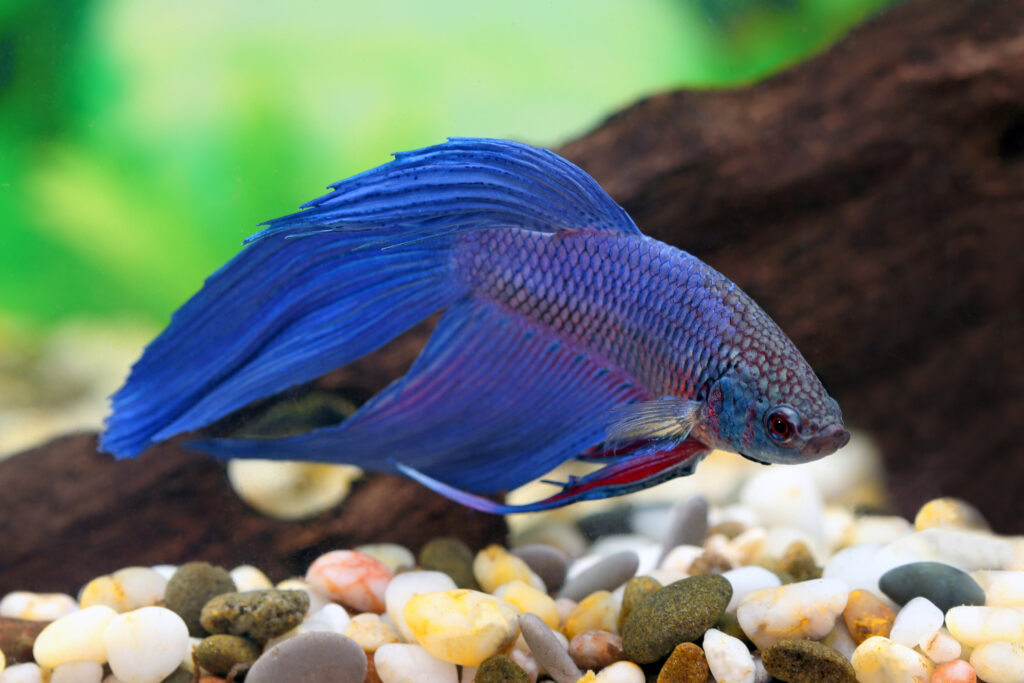
A Betta Can Be a Great Aquarium Fish
Bettas may be small, but they can be surprisingly interactive and entertaining pets. With the right aquarium, warm clean water, good food, and an enriched environment, your betta can become a beautiful centerpiece in your home.
Thinking about bringing home your first betta?
Stop by J&M Aquatics & Pet Center and let us help you get started with the right tank, equipment, food, and supplies for a healthy aquarium. 2851 1/2 North Avenue in Grand Junction, Colorado.