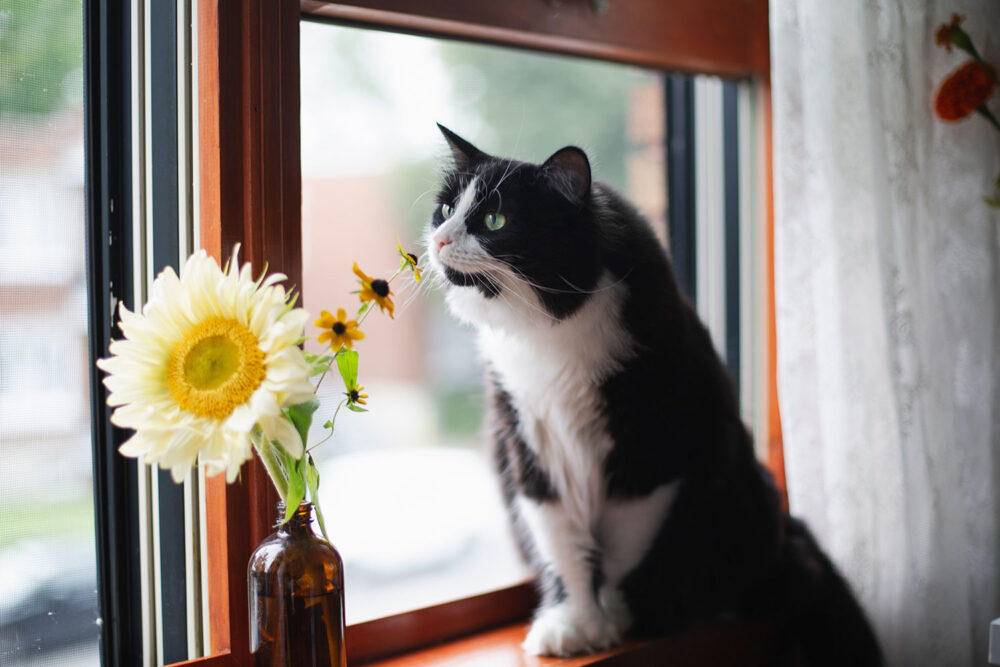
It is poison prevention awareness month and we’ve got a great list of 5 types of household products that can be toxic to your pets. Common household toxins for cats, dogs, and fish are probably under your kitchen sink right now. It’s understandable; we all want a clean and germ-free home, and a yard without rodents and pests. Unfortunately, having those things also means stocking our homes with products that aren’t always the best for our pets. Read on to learn more about common household toxins for your pets.
INDOOR PLANTS
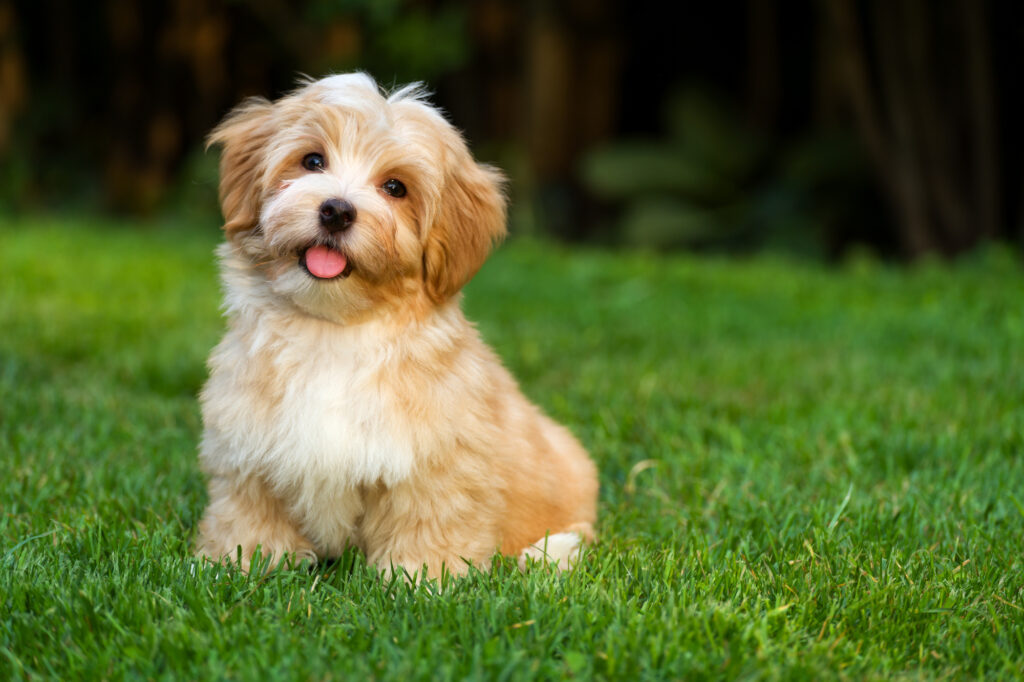
We have two sweet kitties at home. We also have friends who like to gift us with plants for our home. More than once I’ve politely accepted only to give the plant to a neighbor later on. Many house plants are toxic to cats and dogs. You can find a full list of toxic and non-toxic plants for dogs and also a similar list of toxic and non-toxic plants for cats at these links.
Some common plants that are poisonous to your pets are:
Lilies – even the dust from a lily can really harm or even kill a cat.
Daisies (shasta type daisies; gerber daisies are not toxic to cats)
Sago Palms
Poinsettias
RX/OTC MEDICATIONS
Consider any kind of prescription drug or over the counter medication toxic to pets. This includes your vitamins and supplements. Just last week my sister had to take her dog to the vet because it jumped up on the table and chewed open her pill case. It ate the Vitamin D tablets in there. Vitamin D, in human doses, is highly toxic to dogs. Thankfully the dog is okay, but it was a lesson learned for sure.
Keep all medications well away from pets, not even out on counters. Containers can pop open and pets will crunch away at a pill before they realize it doesn’t taste very good.
Household Cleaning Products
Household cleaning products are similar to medications: most of them are dangerous for your pets. Look for ones that specifically say “pet safe” or “environmentally friendly” and still use caution.
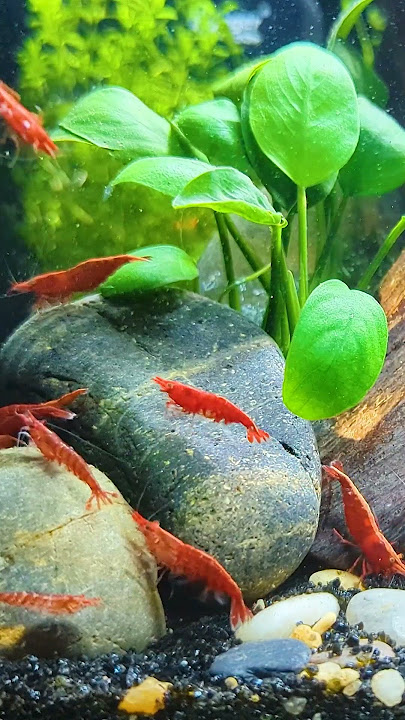
In particular, cleaning products can pose a problem for your aquatic life. Unlike medications and plants, which won’t accidentally find their way into a fish tank. the particulates from spraying cleaners can. Ones that are especially hazardous will have the following: surfactants, parabens, phthalates, triclosan, phosphates, sulphates (SLS, ALS).
To be safe, you can use dawn dish detergent and white vinegar to clean a lot of things, like showers and shower doors, and your sinks. White vinegar by itself is great for cleaning most anything, and a combination of vinegar and baking soda makes a great paste for cleaning your oven.
Avoid toxic cleaners and you’ll be providing a safer place not just for your pets, but for you and your family too.
THC
While there are plenty of CBD products out there for dogs, THC is still considered toxic, especially at levels your pet might find in an edible or a gummy treat. To make matters worse, you could end up with a double whammy if your edibles are also chocolate. To be safe, treat these like you would medications and keep all of your THC products well away from your pets.
Garden Products & Pesticides
Finally, be extra cautious with your garden products, like fertilizers. The one and only rule is to keep your pets from being exposed to these products as much as you possibly can. Don’t fertilize the grass if you know the dogs are going to be out rolling around on it that day. Don’t put pesticides out in places where your pet, or anyone else’s pet, is likely to come across them.
For more details, a pet poison control phone number, and more, visit this ASPCA link: https://www.aspca.org/pet-care/aspca-poison-control